
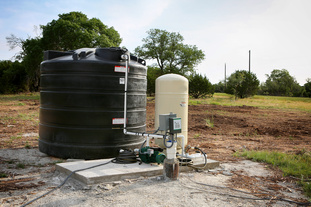
If your home gets its water from a private well, the well pump isn't working alone. A well pressure tank and pressure switch help control when the pump runs and maintain consistent water pressure throughout your home.
When these components work properly, you probably don't think much about them. You turn on a faucet and water comes out at the pressure you expect. When something goes wrong, however, you may notice pressure that rises and falls, a pump that constantly turns on and off or even a sudden loss of water.
Problems with either component may eventually require well pressure tank replacement or well pressure switch repair. Recognizing the warning signs early can help prevent additional strain on your well pump and other parts of your plumbing system.
If your home's water pressure has recently changed, That Plumber's residential plumbing team can inspect your well plumbing system and help determine what's causing the problem.
What Does a Well Pressure Tank Do?
A well pressure tank stores water under pressure, so your well pump doesn't have to turn on every time you use water.
Most modern pressure tanks contain a bladder or diaphragm that separates the water from compressed air. As the well pump sends water into the tank, the air compresses. That compressed air then helps push water through your home's plumbing when you open a faucet, flush a toilet or use another fixture.
As you use water, the pressure inside the tank gradually decreases. Once it reaches a predetermined level, the well pump turns on and refills the tank.
This process reduces how frequently the pump needs to start and stop. That's important because excessive cycling can place additional wear on the well pump and other components.
What Does a Well Pressure Switch Do?
The well pressure switch works alongside the pressure tank and tells the well pump when to turn on and off.
The switch monitors the system's water pressure. When pressure falls to the lower setting, known as the cut-in pressure, the switch turns the pump on. Once the system reaches its upper or cut-out pressure, the switch shuts the pump off.
For example, a 40/60 system typically turns the pump on around 40 psi and shuts it off around 60 psi.
The pressure tank and switch need to work together. If either component isn't functioning correctly, you may begin noticing changes in water pressure or how frequently your well pump operates. Depending on the cause, the system may need a pressure adjustment, well pressure switch repair or replacement of another component.
Signs Your Pressure Tank or Switch May Have a Problem
One of the most noticeable warning signs is a well pump that turns on and off much more frequently than it used to.
This is sometimes called short cycling. Instead of running long enough to refill the pressure tank, the pump may start and stop repeatedly. A waterlogged pressure tank, failed bladder, incorrect air charge or pressure switch problem can all contribute to this behavior.
You might also notice water pressure repeatedly changing from strong to weak. For example, your shower pressure may suddenly drop when someone turns on another faucet.
Other warning signs can include clicking around the pressure switch, a pump that won't turn on, a pump that continues running or visible leaking or corrosion around the tank.
These symptoms don't necessarily identify one specific problem. A plumbing leak, well pump issue or another part of the system can produce similar symptoms, which is why diagnosing the complete system is important.
When Is Well Pressure Tank Replacement Necessary?
Not every pressure problem requires a new tank. Some issues can be corrected without replacing the entire unit, while others are signs that well pressure tank replacement may be necessary.
A pressure tank may need to be replaced if its internal bladder or diaphragm has failed, it can no longer maintain the proper air charge, it is leaking or it has developed significant corrosion. Water coming from the tank's air valve can also indicate an internal bladder failure.
Age matters, but performance is more important. If an older tank is causing repeated pressure problems or excessive pump cycling, replacing it may help restore normal operation while reducing unnecessary strain on the well pump.
Before replacing the tank, the system needs to be properly diagnosed to determine whether the tank itself is the problem or whether another component is causing similar symptoms. That Plumber can inspect your well system and determine whether a well pressure tank replacement is the right solution.
When Is Well Pressure Switch Repair Needed?
A pressure switch can develop problems that prevent the well pump from turning on or shutting off when it should.
Signs you may need well pressure switch repair include repeated clicking, inconsistent pump operation, failure of the pump to start when pressure drops or a pump that continues running after the system reaches normal pressure.
Problems around the switch don't always mean the switch itself has failed. Electrical issues, sediment, incorrect pressure settings or problems elsewhere in the well system may cause similar symptoms.
Having the complete system inspected can help determine whether the pressure switch can be repaired or needs to be replaced. Call That Plumber to get your well pressure switch checked and restore reliable water pressure.
Get Help With Well Water Pressure Problems
Your well pressure tank and pressure switch may not be components you think about often, but they play an important role in delivering consistent water pressure and controlling how frequently your well pump runs.
Changes in water pressure, frequent pump cycling or unusual clicking can be early signs that something isn't working correctly. Addressing the problem early can also help prevent unnecessary wear on other parts of your well system.
If you're experiencing well water pressure problems, That Plumber can inspect your pressure tank, pressure switch and related plumbing to help identify the source of the issue.
Schedule plumbing service with That Plumber to get your well water system checked.