
Updating your bathroom doesn't always require a complete remodel. Replacing outdated faucets, toilets, showerheads, and sinks can improve how your bathroom looks and functions without changing the entire space. New fixtures can also help reduce water waste, address recurring plumbing problems, and make everyday tasks more convenient.
Before choosing new fixtures, it's important to consider how they'll work with your existing plumbing. That Plumber helps homeowners throughout Stark and Summit counties with professional bathroom plumbing repairs and installations. If you're planning bathroom fixture upgrades, schedule plumbing service with That Plumber to make sure your new fixtures are installed correctly.
What Are the Benefits of Upgrading Bathroom Fixtures?
Bathroom fixture upgrades can improve more than the appearance of your home. Older fixtures may have worn components, mineral buildup, or leaks that affect their performance. Replacing them can help restore reliable water flow, reduce maintenance needs, and prevent small plumbing problems from becoming more expensive repairs.
Water efficiency is another reason to consider upgrading. Modern faucets, showerheads, and toilets are available with water-saving features that reduce consumption while maintaining practical everyday performance. Choosing WaterSense-labeled fixtures can help homeowners conserve water without sacrificing functionality.
New fixtures can also make a bathroom easier to use. A handheld showerhead, single-handle faucet, or comfort-height toilet may improve convenience for different members of the household. These improvements can be especially helpful in bathrooms that haven't been updated in several years.
Which Bathroom Fixtures Should You Consider Replacing?
Not every bathroom needs the same upgrades. The best place to start depends on the age and condition of your existing fixtures, any plumbing problems you've noticed, and how you use the space.
Bathroom Faucets
Replacing an old bathroom faucet is one of the simplest ways to update a sink or vanity. Modern faucets come in several styles, including single-handle, widespread, and touchless models.
A new faucet may also help resolve problems with dripping, difficult-to-turn handles, or worn internal components. However, these symptoms don't always mean the entire faucet needs replacement. A plumber can inspect the fixture and determine whether a repair or replacement makes more sense.
Before selecting a new faucet, check its compatibility with your existing sink. The number and spacing of mounting holes, available countertop space, and water supply connections can affect which models will fit.
Dealing with a dripping faucet? Learn how a faucet cartridge replacement could solve the problem without replacing the entire fixture.
Water-Efficient Toilets
Older toilets can use significantly more water per flush than newer models. Upgrading to a high-efficiency toilet can reduce water consumption while providing reliable flushing performance.
Homeowners can choose from several options, including standard high-efficiency toilets, dual-flush models, and comfort-height designs. The right choice depends on your household's needs, available space, and existing plumbing.
If your current toilet frequently runs, leaks around the base, or requires repeated repairs, replacement may be worth considering. That Plumber can inspect the toilet and its connections to identify any underlying problems before installing a new fixture.
Showerheads and Shower Fixtures
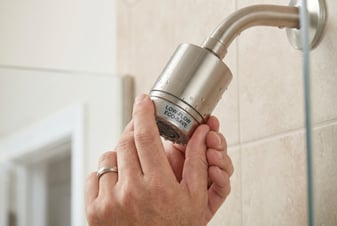
An updated showerhead can improve comfort and give you more control over your daily shower. Popular options include handheld showerheads, adjustable spray models, and water-efficient fixtures.
Some homeowners also choose rain showerheads or dual shower systems when updating their bathrooms. These fixtures may require additional plumbing work depending on the existing shower setup.
If your shower has weak water flow, replacing the showerhead may not solve the problem. Mineral buildup, a worn shower cartridge, or restrictions in the plumbing can produce similar symptoms. Having a plumber inspect the system can help identify the cause before you invest in new fixtures.
Bathroom Sinks and Vanities
Replacing an outdated sink can improve the appearance and functionality of your bathroom. Common options include undermount sinks, drop-in sinks, and vessel sinks.
Each style has different installation requirements. For example, a vessel sink may need a taller faucet, while replacing a vanity could require adjustments to the drain or water supply connections.
It's also important to inspect the plumbing beneath the sink. Older shutoff valves, deteriorating supply lines, and existing drain problems should be addressed during the installation rather than left behind a new vanity.
What Should You Consider Before Installing New Bathroom Fixtures?
Choosing a fixture based on appearance alone can lead to unexpected installation problems. Before purchasing new bathroom plumbing fixtures, consider these factors:
-
Plumbing compatibility: New fixtures must work with your existing water supply lines, drains, and mounting configurations.
-
Water pressure and flow: Some fixtures have specific operating requirements. Existing pressure problems should be evaluated before installation.
-
Water efficiency: WaterSense-labeled products can help reduce water use while maintaining reliable performance.
-
Maintenance: Consider how easily the fixture can be cleaned, repaired, and maintained over time.
-
Installation requirements: Certain upgrades may require modifications to water lines, drain connections, or surrounding surfaces.
For Northeast Ohio homeowners with older plumbing systems, these considerations are especially important. Corroded connections, aging shutoff valves, or outdated piping may need attention before new fixtures can be installed.
A professional plumbing inspection from That Plumber can help identify these issues and prevent unexpected complications during the project.
Why Is Professional Bathroom Fixture Installation Important?
Even a straightforward bathroom fixture replacement can reveal problems that aren't visible until the old fixture is removed. Worn seals, corroded fittings, and deteriorating supply lines can make installation more complicated than expected.
Improper connections or sealing can lead to slow leaks beneath sinks, around toilets, or behind shower walls. These leaks may go unnoticed until they damage cabinets, flooring, or surrounding materials.
Professional bathroom fixture installation helps ensure that connections are secure, fixtures operate properly, and the work meets applicable plumbing requirements.
That Plumber can also determine whether existing plumbing components should be repaired or replaced before installing the new fixture. Addressing these problems during the upgrade can help prevent additional service calls and protect your investment.
Schedule Bathroom Fixture Installation With That Plumber
Whether you're replacing a leaking faucet, installing a new toilet, or updating multiple bathroom fixtures, proper installation is important for reliable performance.
That Plumber provides residential plumbing services throughout Stark and Summit counties, including Canton, North Canton, Hartville, Massillon, Akron, Green, and surrounding Northeast Ohio communities.
Our experienced plumbing team can help identify problems with existing fixtures, evaluate plumbing connections, and complete professional replacements and installations.
Have questions about your bathroom fixture upgrades or need help scheduling an installation? Schedule plumbing service with That Plumber today or call 330-583-1404.